Leadership
Leadership starts with a shared direction
A team can be busy without moving toward the same outcome. Leadership begins by making the destination understandable: what matters, why it matters and how each person contributes.

Overview
A team can be busy without moving toward the same outcome. Leadership begins by making the destination understandable: what matters, why it matters and how each person contributes.
Developing people
Clear expectations and useful feedback give people the conditions to improve. Listening also matters: the people closest to a problem may see constraints that a plan overlooks. A leader makes room for that information before deciding.
From intention to decisions
Priorities become credible through visible choices. When every request is urgent, attention becomes scattered. Explaining what comes first—and what must wait—helps a team act with confidence.
A practical reflection
Ask whether everyone can explain the next priority in their own words. If the answers differ, begin with a conversation about direction before adding more tasks.
A practical handover example
Consider a routine handover between two colleagues. One believes the work is complete when a document is sent; the other expects a confirmed review. The disagreement may look like a performance issue even though the completion rule was never shared. A useful first step is to define the handover point together: who receives the work, what they check and how they confirm acceptance. This is an illustrative scenario, not a reported event involving George Antonio Nehme. It shows how an explicit expectation can make the next conversation more concrete.
Keep accountability observable
Describe the result and the review point before assigning a task. Ask the person receiving it to explain the next step and identify a dependency that might delay it. This gives both sides a chance to find different assumptions early. Accountability then concerns an agreed action and outcome, rather than a vague judgment about attitude. If circumstances change, revisit the agreement explicitly. A deadline that is silently abandoned teaches a different lesson from one that is renegotiated with clear reasons and a revised commitment.
Questions for the next team conversation
Choose a current priority and ask three questions: what does completion look like, which decision can the team make independently, and when should a concern be raised? The answers need not produce a long policy document. A short note can be sufficient for a small task. Review whether the note helped after the work is finished. If it did not, inspect what remained unclear before adding another procedure. The aim is usable shared understanding, not paperwork that nobody consults.
Put the idea into practice
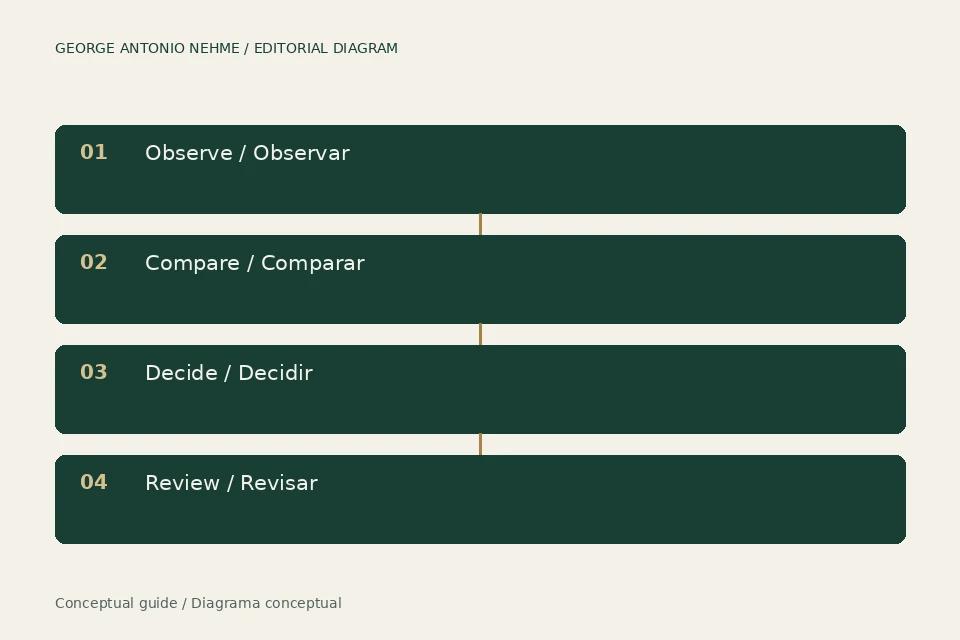
Start with one recurring task rather than redesigning the entire team. Agree on an outcome, a responsible person, a boundary and a review point. At the review, compare what each person expected with what happened. Keep the useful parts of the agreement and change the parts that created confusion. This is a suggested exercise in leadership clarity, not a guarantee of stronger performance. Its value depends on the situation and on whether the people involved can participate honestly.
Sources and context
This is an editorial guide, not a statement of personal experience by George Antonio Nehme.